
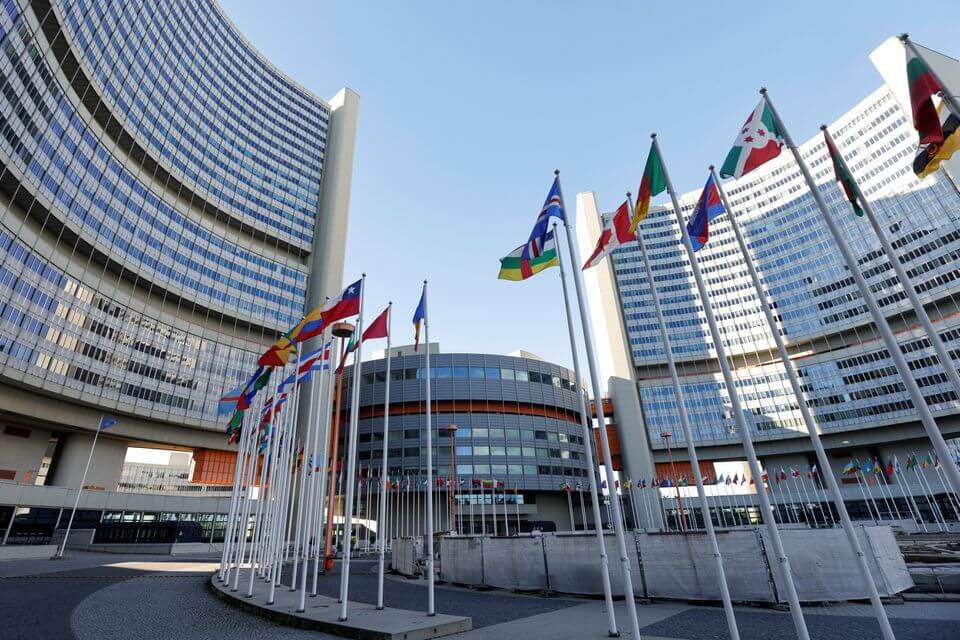
On Monday, five of the world’s most powerful countries—the United States (US), China, France, Russia, and the United Kingdom (UK)—released a joint statement to emphasise the importance of avoiding nuclear war and a nuclear arms race.
A joint statement said: “We affirm that a nuclear war cannot be won and must never be fought...As nuclear use would have far-reaching consequences, we also affirm that nuclear weapons—for as long as they continue to exist—should serve defensive purposes, deter aggression, and prevent war.”
The US, China, France, Russia, and the UK are the five permanent members (P5) of the United Nations (UN) Security Council. They are also the five nuclear weapons states recognised by the 1968 Nuclear Non-Proliferation Treaty (NPT). To this end, the statement noted that the P5 remain committed to their NPT obligations, particularly Article VI, which calls for countries to pursue “good faith negotiations” relating to nuclear disarmament and complete disarmament under international standards.
The statement concluded by underscoring the need to create a security environment that facilitates disarmament “with the ultimate goal of a world without nuclear weapons.” The countries also affirmed their commitment to “preserving and complying” with bilateral and multilateral channels to address non-proliferation, disarmament, and arms control agreements and commitments.
The statement comes after the NPT’s latest review was postponed from January 4 to August 2022 due to COVID-19 concerns. Signatories of the NPT gather every five years to review the treaty; the previous meeting was supposed to take place in April 2020 but was postponed due to the pandemic.
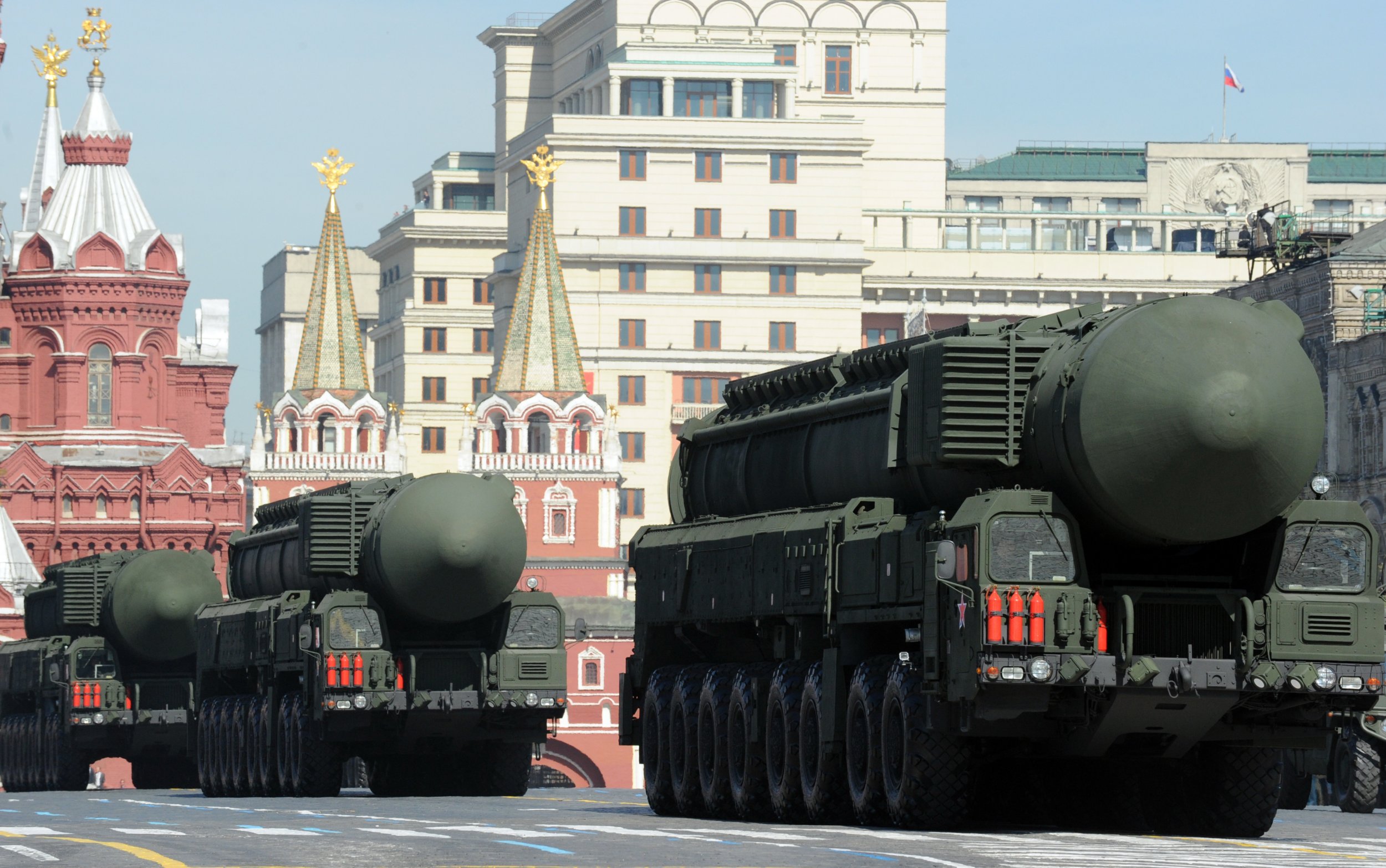
Russian Foreign Ministry spokesperson Maria Zakharova welcomed the statement, saying Moscow has “consistently promoted the idea of reaffirming this principle by all nuclear P5 states.” Zakharova also mentioned that the endorsement of such a statement in the current political climate would help reduce tensions and build confidence for future measures. To this end, Kremlin spokesperson Dmitry Peskov told Russian state-owned news agency RIA Novosti that Moscow still believes it is “necessary” to hold an international summit between the world’s major powers to address this issue.
Meanwhile, according to China’s Xinhua media agency, Vice Foreign Minister Ma Zhaoxu said the statement could “replace competition among major powers with coordination and cooperation,” and added that China has a “no first use” policy on nuclear weapons. In November 2021, the US military sharply increased its estimates regarding China’s nuclear arsenal, saying Beijing could have 1,000 nuclear warheads by 2030.
In the same month, a new study has shown that China is building a second set of missile silos near the northwestern city of Hami in Eastern Xinjiang. The new missile base, which was spotted by satellite imagery, could potentially include 110 silos in the future. Furthermore, in its 2021 Yearbook, the Stockholm International Peace Research Institute said that China is constantly modernising and expanding its nuclear arsenal. It added that while China has been publicising its nuclear forces more frequently, it continues to provide highly restricted information about its “force numbers or future development plans.”
Such developments are particularly concerning when considering China’s hypersonic missile tests and its recent warning to Washington about making it pay an “unbearable price” if it continues supporting Taiwan. Adding to these tensions, US President Joe Biden recently signed a $770 billion defence bill that includes $7.1 billion for the Pacific Deterrence Initiative, which is largely focused on countering China in the Indo-Pacific region.